Ice hockey is a fast, physical sport where speed, sharp turns and close contact are all part of the game. Players need to react quickly while handling the puck, keeping track of opponents and maintaining balance on the ice. With so much happening at once, falls and collisions are difficult to avoid completely.
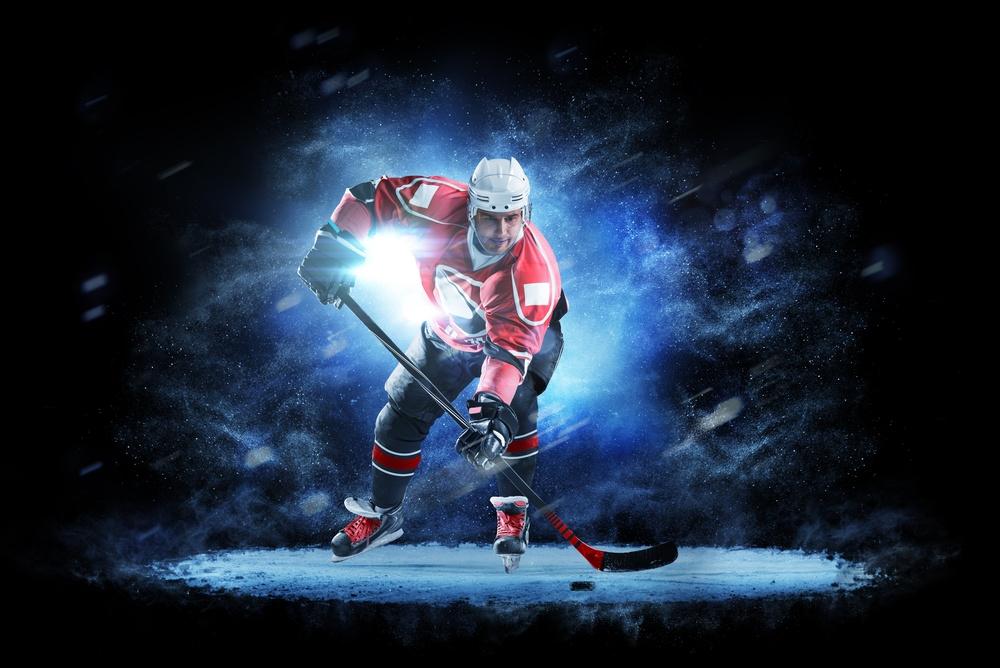
The right protective equipment therefore plays an essential role at every level of hockey. Good protection is not simply about reducing the risk of injury. Equipment that fits properly and feels comfortable can also help a player move naturally, concentrate on the game and play with greater confidence.
Hockey protection needs to work with the player
A hockey player wears several pieces of protective equipment, and each one has a specific purpose. Helmets, shoulder pads, elbow pads, gloves, protective pants, shin guards and other equipment all contribute to protecting areas of the body that are exposed during play. At Hockeystore, players can explore hockey protection designed for different parts of the body and build an equipment setup suited to their individual needs.
The important thing is to see protective equipment as a complete system rather than a collection of separate items. A pair of elbow pads may offer good protection on its own, for example, but the overall setup also depends on how those pads interact with the shoulder pads, gloves and jersey. The same applies to shin guards and hockey pants. Gaps between different pieces of equipment can leave areas more exposed than intended, while equipment that overlaps too much may restrict movement.
Fit is therefore just as important as the protective properties of the equipment itself. Hockey demands a wide range of movements. Players repeatedly bend their knees, rotate their upper body, extend their arms and change direction at speed. Protective equipment needs to stay in place through all of these movements without becoming distracting.
Equipment that is too large can shift during play. Pads may move away from the area they are supposed to protect, while oversized gloves or trousers can make movement feel less precise. Equipment that is too small can cause different problems. It may leave areas uncovered or create uncomfortable pressure points.
The goal is protection that feels secure without making the player feel restricted. When equipment fits correctly, it becomes easier to forget about it once the game starts.
Different areas of the body face different types of impact
There is no single piece of equipment that can protect a hockey player from every situation. Different parts of the body are exposed in different ways, which is why hockey equipment is divided into specialised categories.
The helmet is perhaps the most obvious example. Hockey is played at considerable speed on a hard surface, with boards surrounding the rink and other players moving in every direction. A properly fitting helmet is therefore one of the most important parts of a player’s equipment.
Upper-body protection serves another purpose. Shoulder pads cover areas around the shoulders, chest and upper body while still allowing the arms to move freely. Players need to be able to handle the stick, shoot, pass and receive the puck without feeling as though the equipment is fighting against their movement.
Elbows are particularly vulnerable during falls. It is natural to use the arms instinctively when losing balance, which can result in the elbow making direct contact with the ice or boards. Elbow pads are designed to provide protection while allowing the arm to bend comfortably. They also need to remain securely positioned, since a pad that slides away from the elbow during a fall cannot provide the intended coverage.
The hands require their own combination of protection and mobility. Hockey gloves need to help protect the hands and wrists while still allowing players to maintain control of the stick. A player constantly adjusts grip, moves the hands during stickhandling and changes hand position when shooting. Gloves therefore need enough flexibility to support these movements without compromising their protective role.
The lower body faces equally demanding conditions. Hockey pants provide coverage around the hips, thighs and lower torso while allowing players to maintain the skating position required on the ice. Shin guards protect the knees and lower legs, areas that can be exposed to contact with the ice, sticks, pucks and other players.
The result is a layered approach to protection. Each piece performs a particular job, but together they create the overall level of coverage a player needs.
Comfort and mobility matter more than they may seem
Protection is naturally the main purpose of hockey equipment, but comfort should not be treated as an afterthought. A player may spend a significant amount of time wearing the equipment during training sessions, warm-ups and matches. Small problems with fit can become increasingly noticeable over time.
A strap that repeatedly needs adjusting, a pad that moves whenever the player bends the arm or a piece of equipment that feels unnecessarily bulky can become distracting. Hockey requires constant concentration, and players should ideally be thinking about positioning, teammates, opponents and the puck rather than their equipment.
Mobility is especially important because hockey technique depends on coordinated movement throughout the body. Skating involves the legs, hips and core, while shooting and passing require rotation through the upper body as well as controlled movement of the arms and hands. Protective equipment needs to accommodate these movements rather than limit them.
Modern hockey protection is therefore designed around a balance between coverage and freedom of movement. More material does not automatically mean better equipment for every player. The most suitable option is one that provides appropriate protection while still allowing the player to move comfortably.
Personal preference also matters. Two players of similar size may prefer equipment that feels very different. One may favour a closer, more streamlined fit, while another may feel more comfortable with a slightly different shape or construction. Trying equipment on and paying attention to how it behaves in a hockey stance can therefore be valuable.
A useful test is to move as naturally as possible while wearing the equipment. Bend the knees, rotate the torso and move the arms through the positions normally used when handling a stick. Protective gear should remain where it belongs throughout these movements.
Comfort can also influence confidence. If a player trusts the equipment and knows it fits correctly, there is less reason to hesitate because of concerns about a pad moving or an exposed area. That does not mean protective equipment makes a player invulnerable, but confidence in the equipment can make it easier to focus fully on playing.
Protection should match how and where you play
Not every hockey player has exactly the same requirements. Age, level of play, body size, position and personal preferences can all influence which equipment feels most suitable.
Young players, for example, need equipment that fits their current body size rather than equipment chosen mainly with future growth in mind. Buying significantly oversized protection in the hope that a child will grow into it can affect both comfort and coverage. Hockey equipment performs best when it sits correctly on the body.
Adult recreational players may have different priorities from players who train and compete several times each week. Frequency of use can influence how important factors such as comfort, durability and ease of adjustment become. Someone wearing equipment frequently will quickly notice small differences in fit and construction.
Playing position may also affect personal preferences. Every player requires comprehensive protection, but the movements and situations encountered on the ice can differ. The most important principle remains the same: protection should allow the individual player to perform normal hockey movements without unnecessary restriction.
It is also worth considering how all the equipment works together before deciding that a particular item fits correctly. Hockey gear is rarely worn in isolation. Shoulder pads sit close to elbow pads, gloves meet the lower part of the elbow protection, and hockey pants interact with shin guards around the legs. Checking the complete setup provides a better picture than evaluating every item separately.
Socks, jerseys, skates and other equipment can also influence how the complete setup feels. Once everything is being worn together, the player should still be able to move freely and maintain a natural skating position.
Regular checks help keep protective equipment working properly
Choosing good hockey protection is only the beginning. Equipment is exposed to repeated movement, sweat, impacts and general wear throughout its life. Regular inspection is therefore an important part of maintaining a reliable setup.
Players should pay attention to straps, fastenings and other components that help keep pads in position. If these become stretched, damaged or difficult to secure, the equipment may no longer sit as intended. Protective shells, padding and other structural areas should also be checked for obvious signs of damage.
Fit can change over time as well. This is especially relevant for children and teenagers who may grow quickly, but adults can also find that equipment no longer feels quite the same after extended use. Something that fitted perfectly when purchased may eventually begin to move differently or feel less secure.
There is also a practical comfort aspect to caring for hockey equipment. Allowing gear to dry properly after use helps keep it more pleasant to wear and gives the player an opportunity to inspect it regularly. Instead of simply leaving everything packed in the hockey bag until the next session, taking a moment to look over the equipment can make developing problems easier to notice.
Players should also avoid waiting for equipment to fail completely before considering replacement. Wear often develops gradually. A fastening may become less reliable, padding may change shape or an item may simply stop fitting as well as it once did.
Good hockey protection ultimately needs to do several things at once. It should cover the right areas, remain securely positioned, allow natural movement and feel comfortable enough that the player does not constantly notice it. Finding that balance makes protective equipment an integrated part of playing hockey rather than something that gets in the way.
Whether someone is stepping onto the ice for the first time or has played for many years, protective equipment deserves careful attention. Hockey will always involve speed, contact and unpredictable situations. Properly fitted protection cannot remove every risk from the sport, but it can help players approach the game with equipment designed for the demands they face on the ice.